
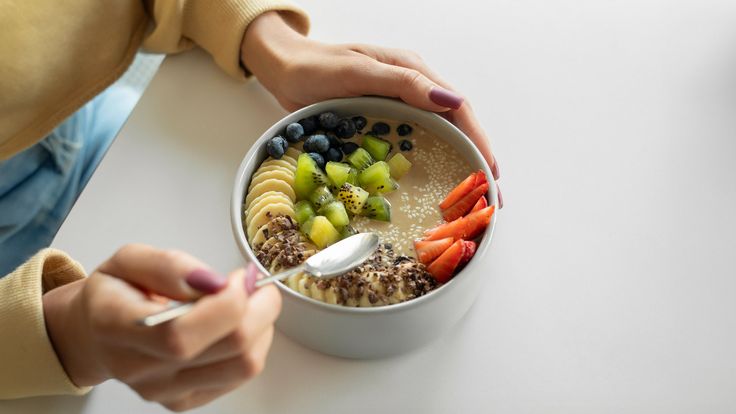
The invisible force behind performance
As the Panhellenic period approaches, thousands of students across the country are in a demanding and mentally draining preparation. Long hours of studying, stress, pressure from the environment and uncertainty about the future create an explosive mixture. However, there is one factor that is often neglected, although it plays a decisive role in performance: the diet.
The brain needs… food
The brain is the most energy-intensive organ in the body. It needs a constant supply of energy and nutrients to function properly. During exam time, when mental activity is at its peak, this need increases. Simply put: What you eat affects how you think..
A full and nutritious breakfast can boost memory and concentration, while the right snacks throughout the day can keep energy levels steady. The opposite happens when the body is filled with “empty calories,” sugar, or too much caffeine: first comes the hyperactivity and soon the crash.
The Mediterranean diet on the student's side
The traditional Mediterranean diet, with fruits, vegetables, olive oil, fish and whole grains, has been linked to improved cognitive function and reduced stress, according to many scientific studies. Specifically foods such as:
- Nuts and seeds, which contain good fats for the brain.
- Banana, with magnesium which helps the nervous system.
- Dark chocolate, in small quantities, for stimulation and good mood.
- Yoghurt, which aids in digestion and boosts intestinal health (which is directly linked to brain function).
Water: the forgotten ally
Dehydration, even to a mild degree, negatively affects memory, concentration, and mood. Therefore, it is important for students to drink water frequently throughout the day – even if they do not feel thirsty. Natural juices and unsweetened herbal teas are also good options.
Nutrition and sleep go together
As strange as it may sound, diet also affects sleep. Evening meals high in fat or eaten too late at night can negatively affect sleep quality. Yet, quality sleep is essential for memory, thought organization, and emotional stability.
Finally…
Proper nutrition does not replace reading, but it enhances it. It is not a luxury, it is a strategy. When the body has the "fuel" it needs, the brain functions better, stress is reduced and performance improves.
That's why, in the battle of the Panhellenic Games, in addition to books, put a good dish next to you. It can make a difference.
Good luck!