
Gut Microbiome Analysis – The BioArte Gut Test
DNA sequencing of the microbiome from a stool sample
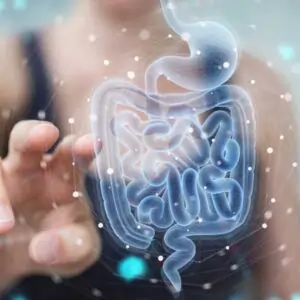
The gut microbiome is the entire microbial population that lives in our gut. It contains tens of trillions of microorganisms, roughly as many as the cells of our own body. If we add the microorganisms we host on the skin, in the eyes and in all our other organs, it becomes clear that these microorganisms take part in many of the body’s functions. The gut microbiome weighs about 200 grams. One third of the gut microbiome is common to most people, while two thirds are specific to each of us. In other words, the gut microflora or microbiome is a distinctive individual fingerprint, unique to each of us.
The human microflora consists of more than 1,500 species of microorganisms. The genes found within these cells make up the human microbiome. As for what they can do, it is worth noting that most of them are our allies, as they help us break down the food we eat and also protect us from harmful microorganisms by keeping them under control. The composition of the gastrointestinal microbiome is directly linked to diet.
Read more: Gut microbiome: what it is, what affects it and 6 eating habits
The main functions of the gut microbiome include:
- Regulation of immune function
- The production of various enzymes for the processes of digestion and absorption of food
- Regulation of pH in the gastrointestinal tract
- The production of short-chain fatty acids (SCFA), which are the main source of energy for the cells of the colon and for certain bacteria
- The synthesis of vitamins (vitamin K, B vitamins)
- Conversion of the bile acids secreted by the liver, which take part in the digestion of lipids
- Production of antimicrobial and antifungal substances (essential for the local defence of the intestinal tract)
- Involvement in the metabolism of dietary substances and medicines
How the analysis is done
The laboratory isolates the bacterial DNA from the stool sample and sequences the 16S rRNA gene (regions V1–V9) using Oxford Nanopore technology. In this way the gut bacteria are identified at phylum, family, genus and species level, and the results are compared with a reference group of healthy people.
What the results report includes
| Section | What is tested |
|---|---|
| Biodiversity | Simpson index: how diverse the microbiome is, compared with a reference group |
| Main bacterial phyla | Distribution of the main phyla · Firmicutes / Bacteroidetes ratio |
| Families of interest | Pro-inflammatory and anti-inflammatory bacteria · Prevotella / Bacteroides ratio |
| Species of interest | Probiotic species · Opportunistic species · Pathogenic bacterial species |
| Metabolic functions | Markers of metabolic pathways, e.g. producers of vitamins, histamine, succinic acid |
| Raw data | Full list of the bacteria detected, with their relative abundance |
| Recommendations | Personalised dietary advice · Prebiotic / probiotic suggestions · General dietary recommendations |
Sample collection instructions
| Step | What to do |
|---|---|
| 1. Preparation | Place the special paper from the kit on the toilet seat. |
| 2. Placement | The sample must be on the special paper and must not come into contact with the toilet bowl or the water. |
| 3. Tube | Hold the tube firmly and unscrew the cap with the collection spoon, taking care not to spill the liquid. |
| 4. Collection | Using the spoon on the cap, collect a small amount of stool (as much as fits on the spoon). Throw the paper into the toilet; it is biodegradable. |
| 5. Sealing & shaking | Put the sample in the tube, seal it tightly and shake it so that it mixes with the stabilising liquid. |
| 6. Storage | Write your name and the collection date on the tube, place it in the absorbent case and store it at 8–25 °C. |
| 7. Packaging | Put the case in the biological specimen bag, seal it and place it in the box. |
| 8. Questionnaire | Complete the online questionnaire about your medical and dietary history (the link and QR code are in the kit instructions). |
| 9. Shipping | Contact us to send the sample to the laboratory, via the Contact Form or at [email protected]. |
Important
The analysis is carried out by the laboratory The BioArte Ltd (Malta, ISO 9001:2015 certified). The results are available about 3–4 weeks after the laboratory receives the sample. Once you receive them, you can book an appointment to have them interpreted.
The test detects bacterial DNA, not living microorganisms. It is not a medical diagnosis and does not detect infections. If the report shows high levels of pathogens, further investigation by a doctor is required.
If you have symptoms such as blood in the stool, unexplained weight loss, fever or persistent abdominal pain, see a doctor first.
Personal data
The sample is analysed by the laboratory The BioArte. The questionnaire about your medical and dietary history is completed online directly with The BioArte, which processes your data in order to carry out the analysis.