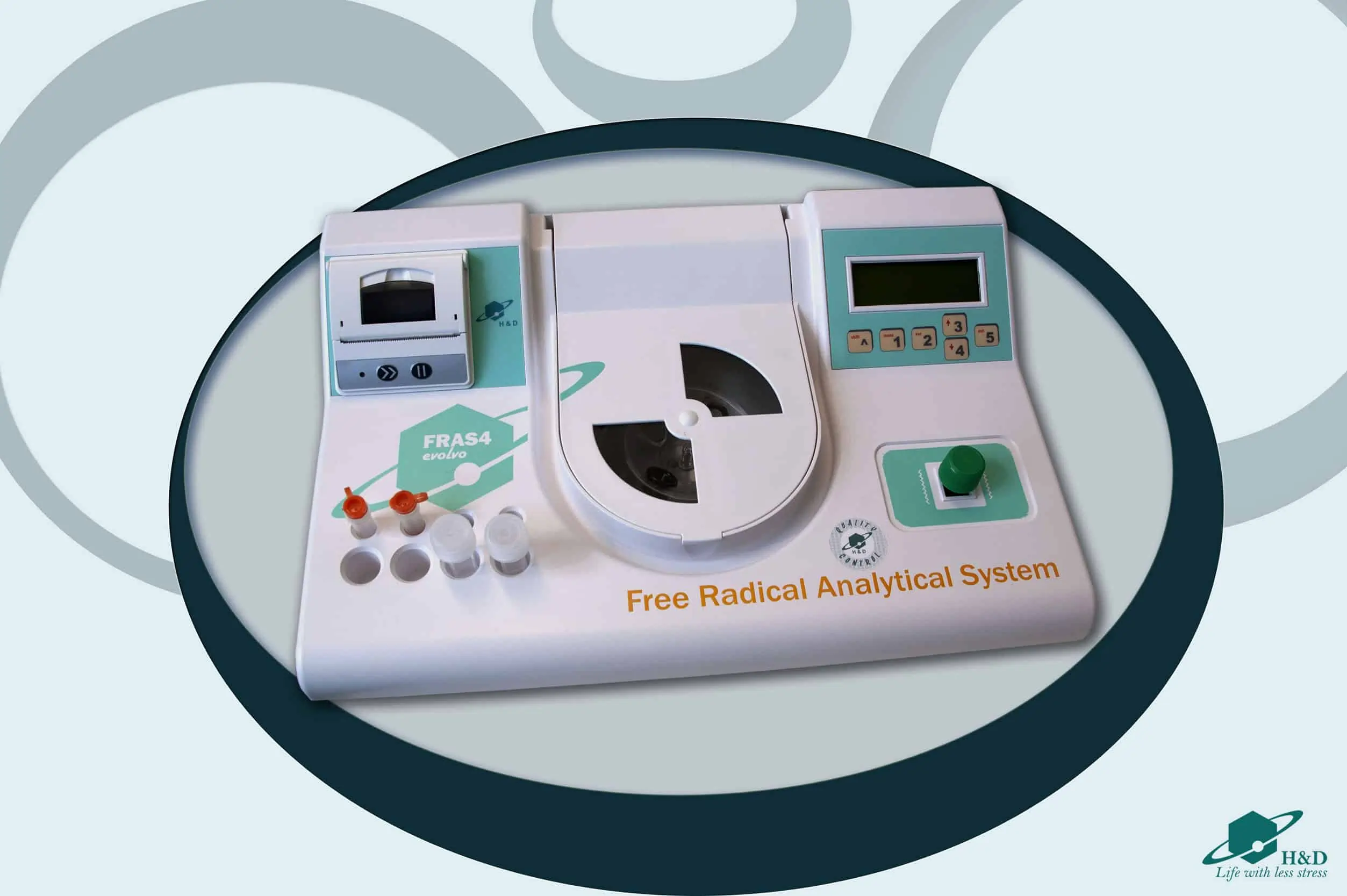
Measurement of Oxidative Stress and Antioxidant Capacity
What is oxidative stress?
During the normal functioning of the body, for example when metabolising food or exercising, free radicals are produced. In normal amounts they are useful, because among other things they take part in the body’s defence against microbes. The body keeps them under control with its antioxidant mechanisms.
Oxidative stress is the name given to the imbalance between the production of free radicals and the body’s antioxidant defence. Factors that may aggravate it include smoking, environmental pollution, a poor diet, alcohol consumption, intense strain and certain medicines. In studies, prolonged oxidative stress has been associated with cell ageing and various chronic conditions.
Hydroperoxides in the blood, i.e. an indicator of free radical production (U.Carr units)
PAT
The antioxidant capacity of the plasma (U.Cor units)
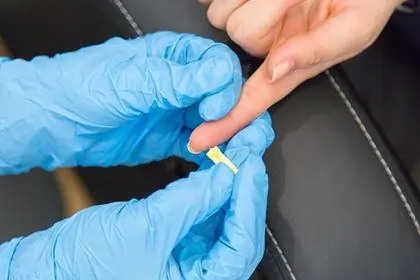
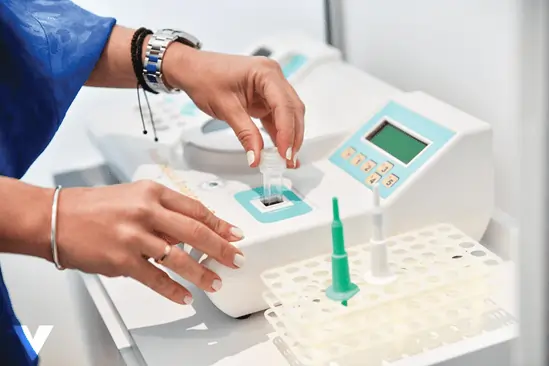
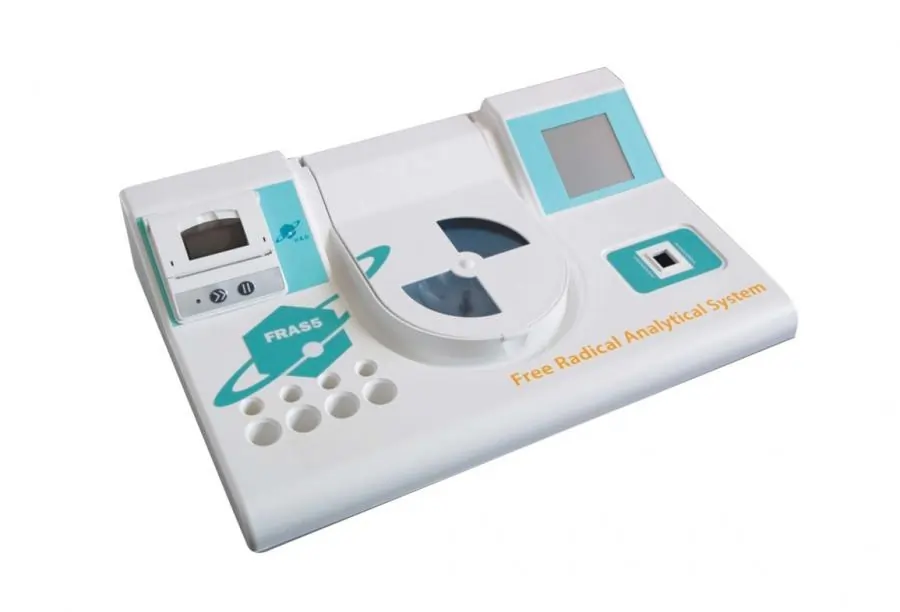
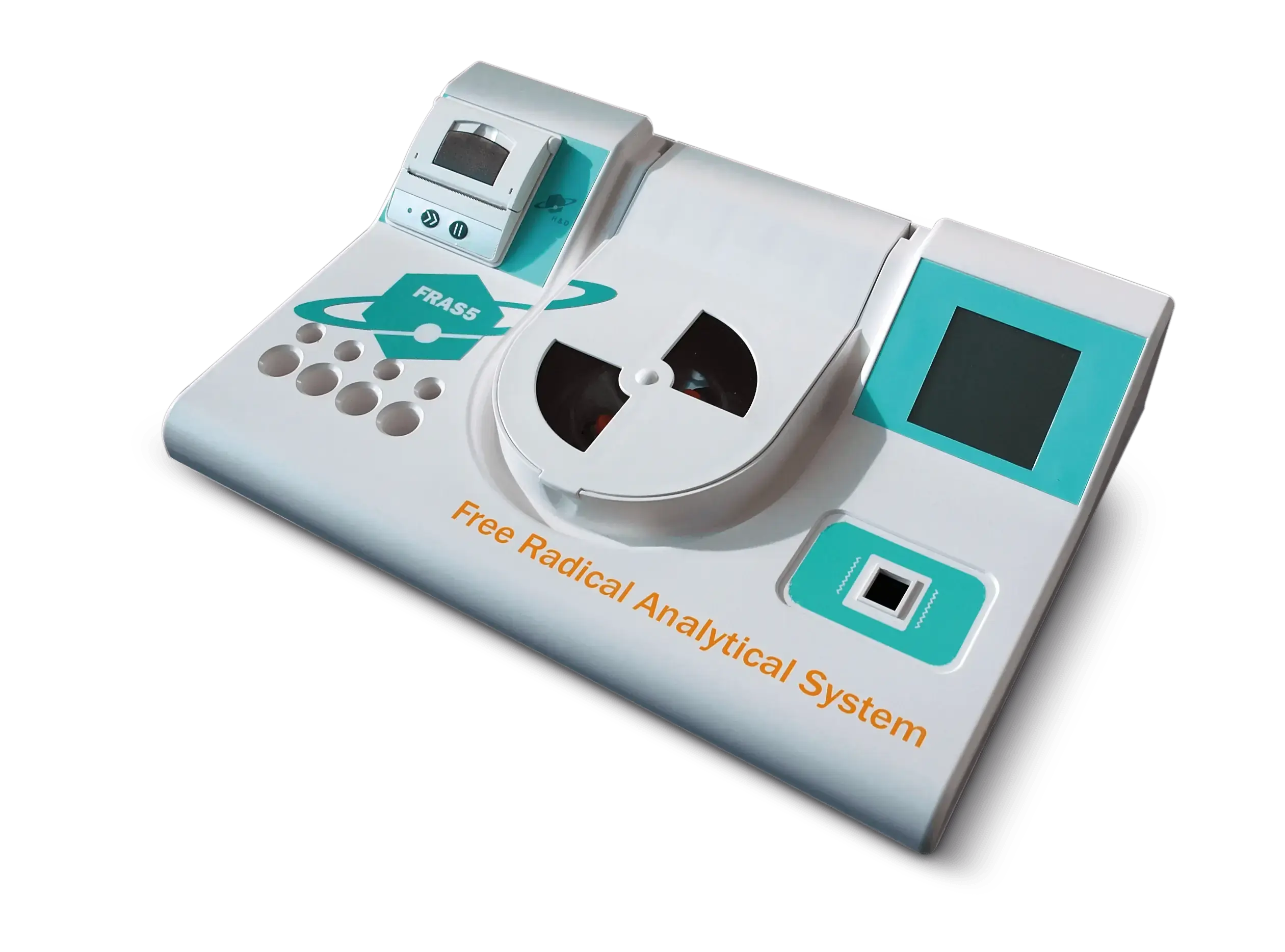
The measurement is done at the office with the FRAS system, from a single finger-prick blood sample, and the results are available immediately. The dietitian uses them to shape your meal plan and, where needed, for a repeat measurement after changes in diet and lifestyle.
Dietary tips for less oxidative stress
Eat more fruit, vegetables, fish, pulses and olive oil.
Make sure you stay well hydrated during the day.
Exercise regularly, even briefly and at an easy pace.
Avoid smoking and limit alcohol.
Contact us at 2310 023948 or via the Contact Form to book an appointment for your oxidative stress measurement.