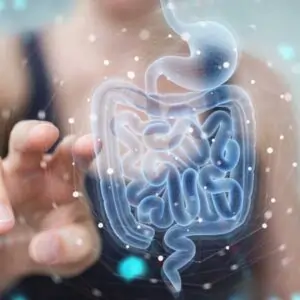
The intestinal microbiome is the entire microbial population that lives in our intestines. It contains tens of trillions of microorganisms, where it is worth noting that the cells of our intestinal flora alone are 10 times more than our own. If we add to these the microorganisms that we host on our skin, eyes and all our other organs, one realizes that nothing that happens to us is independent of the existence of these microorganisms. The intestinal microbiome weighs a total of up to 2 kilograms. One third of the intestinal microbiome is common to most people, while two thirds are specific to each of us. In other words, the microflora or gut microbiome constitutes our personal identity, a special individual imprint, which one could say is unique, just as each of us is unique.
In simpler terms, the human microbiota is made up of over 1,500 species of microorganisms. The genes found within these cells make up the human microbiome. As for what they can do, it is worth noting that the majority of them are our allies, as they help us break down the foods we consume, but also protect us from harmful microorganisms, as they keep them under control. However, it is obvious that the gastrointestinal microbiome is directly linked to diet.