
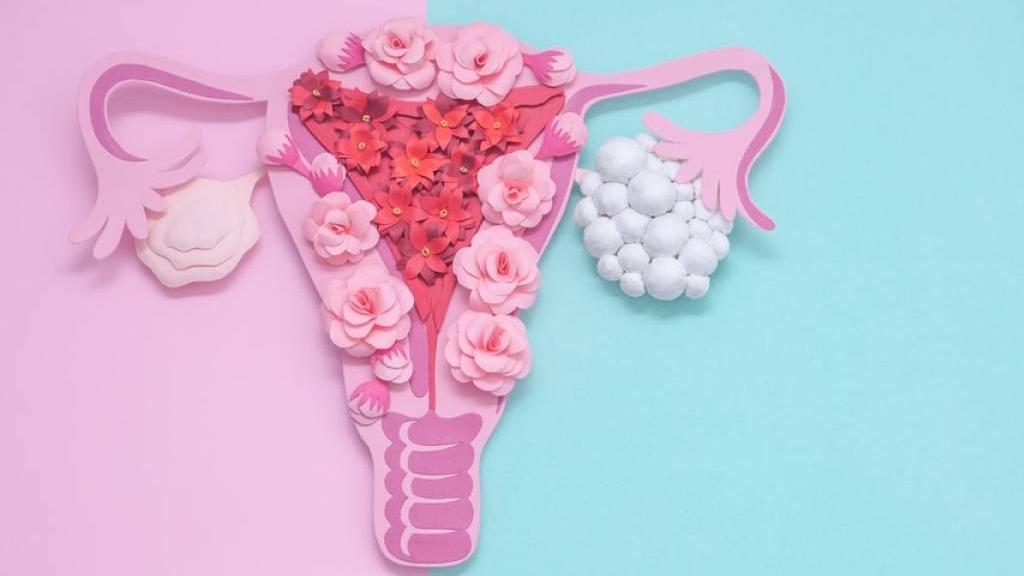
Approximately 25-30% of women have polycystic ovaries, which should not be confused with polycystic ovary syndrome. In this case, the woman must exhibit specific symptoms in order to be diagnosed with the syndrome.
But what exactly is polycystic ovary syndrome (PCOS)?
It is a hormonal imbalance that affects 5-10% of women of reproductive age. It is characterized by: 1) hyperandrogenemia, i.e. increased testosterone, 2) ovarian dysfunction, due to the appearance of many small cysts peripherally, 3) infertility, 4) cycle disorders, while very often 5) insulin resistance occurs. More specifically, insulin resistance is associated with increased production of male hormones in fat cells. It has been observed that the largest percentage of patients with PCOS are obese, which in combination with insulin resistance can lead to metabolic syndrome. The causes of the syndrome are probably hereditary, although environmental factors have often been implicated.
The symptoms should be evaluated by a specialist gynecologist and may appear with varying severity in each woman:
- Infertility
- Cycle irregularities or absence
- Hair growth and/or androgenetic alopecia
- Oily skin, acne and/or dandruff
- Increased weight, usually a concentration of abdominal fat
- Abdominal pains
- Type II diabetes mellitus and insulin resistance
- Hypercholesterolemia
- Hypertension
- Sleep disorders
What role can diet play in PCOS?
It has been found that proper nutrition and exercise are of primary importance, due to the loss of excess pounds and fat. Symptoms improve noticeably with a loss of 5-10%, as it helps regulate insulin, hormones, the menstrual cycle and by extension fertility. Some tips for weight regulation are:
- Planning. It is very important to maintain a meal plan, as this can help regulate insulin. Eat 3 main meals and 2 small snacks in between, every 2-3 hours. Make sure to include a variety of foods in your daily diet (fruits, vegetables, whole grains, dairy, protein).
- Avoid processed foods. They contain large amounts of salt, sugar or other sweeteners. Prefer the purest foods in your daily life.
- Increase your fiber intake. Fiber is found in fruits, vegetables, legumes, and whole grains. Consuming these foods creates a feeling of satiety, helping you consume normal amounts of food, resulting in easier weight loss. In addition, it has a beneficial effect on better bowel function, as well as on insulin regulation.
- Reduce your consumption of simple sugars, i.e. any form of sugar or sweeteners. These foods worsen insulin resistance.
- Increase your intake of omega-3 and omega-6 fatty acids. Nuts, seeds, whole grains, olive oil, avocado, fish, and seafood are rich sources of omega-3 and omega-6, while good sources of protein, such as eggs, dairy, and low-fat chicken, increase stomach volume, reducing hunger. The combination of these foods has good results in weight loss, while protein helps regulate blood sugar.
- Stay hydrated and eat anti-inflammatory foods. Inflammation and swelling are a natural reaction to polycystic ovary syndrome. Staying hydrated with water throughout the day is essential for “unblocking” the body and eliminating waste and toxins. Eat plenty of fruits and vegetables, as they have anti-inflammatory properties, as well as large amounts of water.
- Manage stress. Increased stress is associated with increased cortisol secretion, which is linked to insulin resistance and abdominal fat. It also causes swelling in areas such as the extremities and abdomen.
- Supplements. Magnesium, vitamin B6, zinc, myo-inositol, and inositol appear to be beneficial for PCOS symptoms. Always consult a healthcare professional to assess your condition and recommend the most appropriate supplements.
- Exercise. Regular moderate to vigorous exercise 3-5 times per week improves the body's resistance to insulin. Walking, running, swimming, and cycling are good options for losing and maintaining weight, while resistance exercises further help with fat loss and muscle gain.